
Business
Marketers Forecast Petrol Price Drop to N600-N650 per Liter with Dangote Refinery

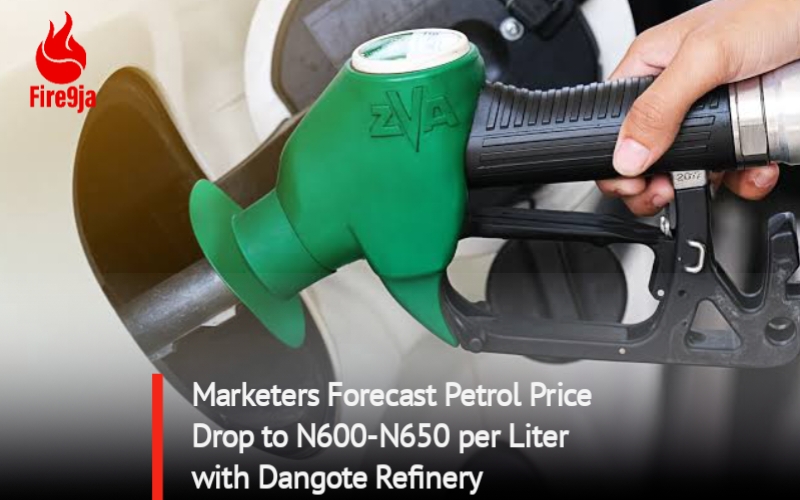
Nigeria’s oil marketers have projected that the price of petrol could decrease to between N600 and N650 per liter once the Dangote Refinery begins operations, depending on the production costs.
Hammed Fashola, the National Vice President of the Independent Petroleum Marketers Association of Nigeria, shared this forecast in a statement on Monday.
Fashola’s remarks come amid recent updates indicating that the $20 billion Dangote Refinery might not commence fuel production as anticipated in mid-August 2024, contrary to previous statements from Aliko Dangote, the president of Dangote Group.
Fashola highlighted that the refinery is currently facing challenges with crude oil supply, which remains a significant issue for the Lagos-based facility.
Presently, the official price of petrol from the Nigerian National Petroleum Company Limited (NNPCL) is around N570 per liter, while private depots are selling at approximately N700 per liter.
He expressed optimism that once Dangote’s refinery is operational, it could potentially reduce the pump price to between N600 and N650 per liter, although the exact price will depend on the refinery’s production costs.
“While the official rate from NNPC is around N570 per liter, private depots are charging much higher at around N700 per liter.
We are hopeful that Dangote’s fuel will be priced between N600 and N650 per liter, with N600 being a reasonable expectation, depending on their production costs,” Fashola noted.
Additionally, last week saw a dispute between the Dangote Refinery and the Nigerian Upstream Petroleum Regulatory Commission over the allocation of 26 million barrels of crude oil, highlighting ongoing tensions in the sector.











Bitcoin has fallen below $63,000, reaching its lowest level since October 2024 amid weakening investor confidence and increased volatility in the cryptocurrency market.
According to CoinMarketCap data, Bitcoin dropped 13.9 per cent to $62,965 as of 10:20 p.m. on Thursday. The decline comes after months of downward movement, with the cryptocurrency now more than 45 per cent below its October peak.
Ethereum also recorded a sharp decline, falling 13 per cent to $1,863, while the global cryptocurrency market capitalisation dropped to $2.19 trillion.
Analysts reportedly linked the latest decline to a broader sell-off in US technology stocks, which has also affected other risk assets. Bitcoin had reached an all-time high of more than $125,000 on October 5 before falling sharply in the days that followed, highlighting the continued volatility in the crypto market.
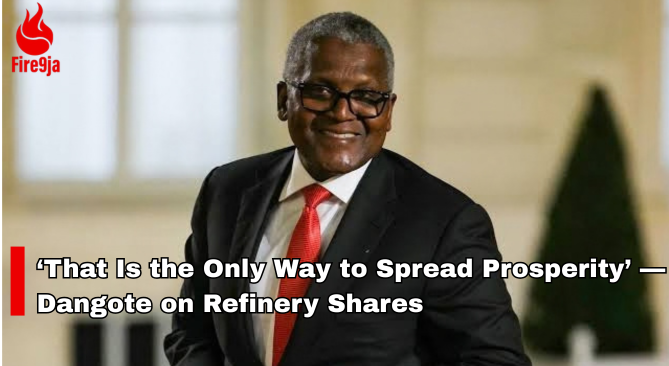
Businessman Aliko Dangote has explained why he believes Nigerians should participate in the ownership of his refinery by purchasing shares.
He was asked by singer Davido why Nigerians should participate, and Dangote explained that the initiative would help spread wealth and prosperity across Africa.
“Well, it’s very important because that is the only way to spread prosperity and wealth throughout Africa. And like I said, this is not going to be the first and the last. We will continue with even our fertilizer. By the time we finish listing, every single one will own part of our businesses and we will create a pool of cash…”
He explained that the goal is to create opportunities for more Nigerians to own a stake in the businesses and help spread wealth across the country.
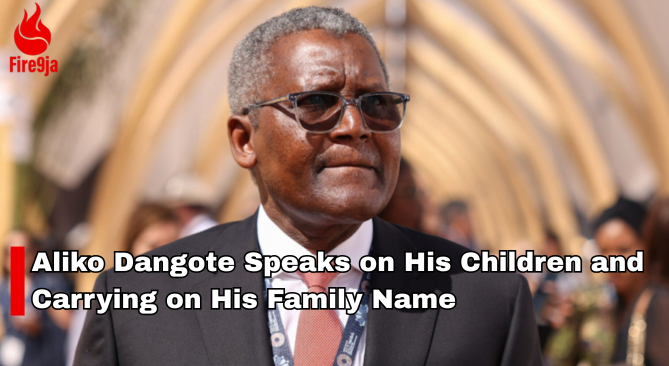
Aliko Dangote speaks on his lineage and addresses not having a son as he was asked about not having a son to carry his name and achievements.
“That is not my priority because God controls everything. You can pray for God to give you a son, but he might be the one to take down the name of the family.”
Instead, he shared that he does not mind not having a son. “I don’t think a son would have done better than the three daughters I have.”
Aside from that, he was also asked about giving advice to young Nigerians. “Work hard, be consistent, focused and know what you want to do.”

Walid Acherchour Backs Lamine Yamal to Win 2026 Ballon d’Or

Zlatan Announces Wedding Date With Longtime Partner Davita


