
News
Nigerian Culture: A Story Of Heritage, Challenges, and Hope

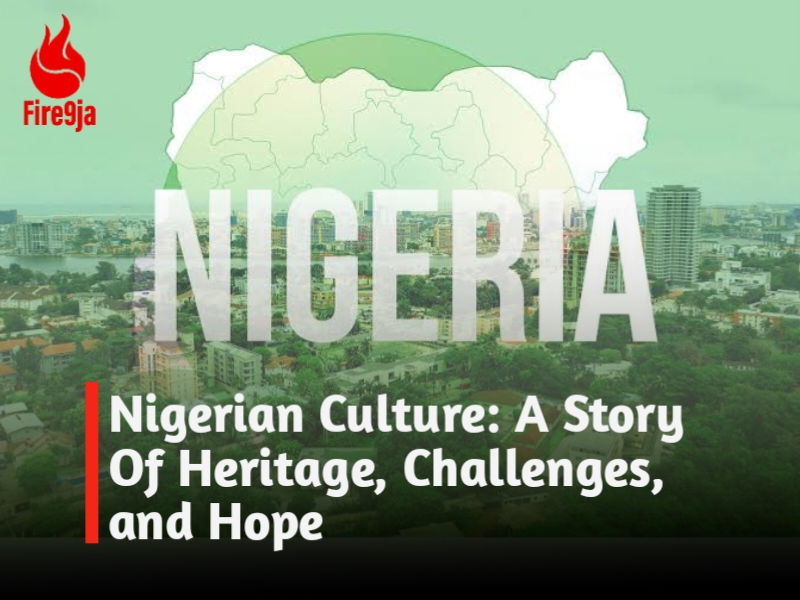
Nigeria, known as the Giant of Africa, has a rich and diverse cultural heritage with over 250 ethnic groups and more than 500 indigenous languages.
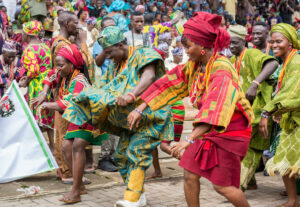
With the heated Yoruba festivals and the historical art of the Benin Kingdom, Nigerian culture displays true traditions, beliefs, and practices.
However, this rich nation faces significant challenges.
This article explores the good and bad aspects of Nigerian culture, diving into its history, heritage, and contemporary issues.
Historical Overview Of Nigeria
1. The Pre-Colonial Era
Before British colonization in the late 19th century, Nigeria was home to powerful kingdoms and empires.
The Nok culture, dating back to 1000 BC, is known for remarkable terracotta sculptures, marking one of Nigeria’s earliest civilizations.
The Benin Empire (circa 1180-1897) was renowned for its advanced political system, skilled artisans, and beautiful bronze sculptures.
The Yoruba, Igbo, and Hausa-Fulani ethnic groups formed distinct societies with their languages, traditions, and system of government.
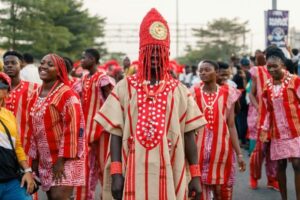
This pre-colonial era laid the foundation for Nigeria’s rich cultural heritage, characterized by loud art, music, and oral traditions.
2. Colonial Influence
The arrival of British colonizers greatly impacted and affected Nigerian society. The imposition of foreign rule disrupted traditional systems and changed cultural practices.
Western education and Christianity influenced the social status of the nation. While some aspects of Nigerian culture were preserved, others were altered or lost in the process of colonization.
Fun fact:
Nigeria is home to the largest market in West Africa, the Balogun Market in Lagos. It occupies several streets and offers a wide variety of goods, from textiles to electronics, which makes it a bustling centre for shopping.
Nigeria Cultural Benefits
1. Rich Artistic Heritage
Nigerian culture is globally known for its popular art forms, including traditional music (Afrobeats), dance, and visual arts.
The Talking Drums of the Yoruba and the Griot storytelling tradition of the Hausa expose the creativity and artistic expression common in the country.
Festivals like the Eyo in Lagos, the new yam festival and the Durbar in Kano celebrate these artistic traditions, bringing fun and celebrations in Nigeria.
2. Culinary Diversity
Nigerian cuisine reflects its diverse cultures. Dishes like jollof rice, pounded yam, and egusi soup are enjoyed across the country.
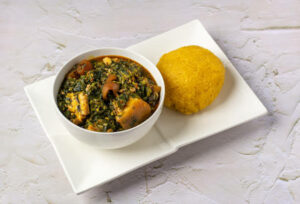
Each ethnic group has unique flavours and cooking techniques, contributing to a culinary landscape that fosters community and togetherness.
In recent times and popular reviews, Nigerian dishes have often been seen as one of the best in Africa. The mixture of spices and salivating ingredients has made Nigerian cuisine popular in different parts of the world.
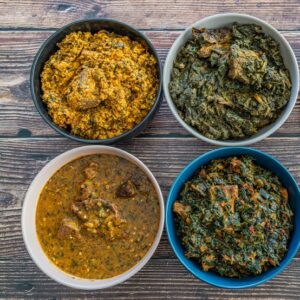
Foreigners are often seen on social media tasting Nigerian meals; and in all their honest remarks and reviews, there has been a form of appreciation for the Nigerian dishes.
3. Strong Community Values
Nigerians are known for their hospitality and a strong sense of community. Family ties are paramount, and traditional values emphasize respect for elders and communal support.
This cultural ethos plays a crucial role in ensuring unity among family members and diverse ethnic groups.
The Challenges And Difficulties
Despite its rich cultural heritage, Nigeria faces significant challenges. Political instability, ethnic conflict, and widespread corruption have plagued the nation for decades.
These issues have led to economic disparity and insecurity, with high rates of poverty and unemployment affecting many citizens.
- One of the most pressing issues is the reliance on oil exports, leaving the economy vulnerable to global market fluctuations.
Once marked as the wealthiest African nation due to oil production, Nigeria now struggles with economic hardships and dependence on foreign support and loans.
- Insurgencies and Violence is also affecting the country growth and civilization. The security situation in Nigeria has been dire, with insurgencies like Boko Haram emerging as a major threat.
Since its inception in 2002, Boko Haram has caused untold suffering, killing thousands and displacing millions.
The Chibok abduction in 2014, where 276 schoolgirls were kidnapped, remains a haunting reminder of the group’s brutal tactics.
The End SARS protest in 2020 highlighted the people’s struggle against police brutality and government oppression. Led predominantly by the youth, the protests aimed to amplify calls for accountability and justice.

Tragically, the protests resulted in the lives of citizens being brutally wasted, further exposing the relationship between the government and its citizens.
The Path Of Hope During Struggles
Despite the challenges, there remains hope for a better future. Young Nigerians are increasingly embracing their cultural identity while advocating for change.
Through social media and grassroots movements, they raise awareness about pressing issues and celebrate their heritage. Activists are rising, amplifying the people’s voice and seeking justice for the people.
Education plays vital role in this cultural renaissance. By promoting local history, languages, and traditions in schools, the younger generation can appreciate their roots while shaping a brighter future.
Awareness campaigns can also encourage pride in Nigerian culture, countering the negative effects of globalization.
Standout Fact About Nigeria
- Nigeria is the most populous country in Africa and the seventh most populous in the world, with over 200 million people.
- It has over 250 ethnic groups, with the three largest being Hausa, Yoruba, and Igbo.
- Nigeria is rich in natural resources, particularly oil, and is one of the top oil producers in Africa.
- Nigeria has a diverse culture, known for its pop music, art, literature, and festivals, making it a cultural powerhouse.
- Nigerian cuisine is varied, with popular dishes like jollof rice, pounded yam, and egusi soup enjoyed both locally and internationally.
- Nigeria is home to Nollywood, the second-largest film industry globally in terms of production volume, known for its strong storytelling.
- Nigeria has a growing tech ecosystem, with cities like Lagos emerging as tech centers in Africa.
- Nigeria’s economy is one of the largest in Africa, powered by oil, agriculture, and telecommunications.
- Nigeria is known for its popular wildlife and national parks, such as Yankari National Park and Gashaka Gumti National Park.
- Nigeria has a rich and powerful history, with ancient civilizations such as the Nok culture and the Kingdom of Benin contributing.
- Nigerian literature gained global recognition when Wole Soyinka won the Nobel Prize in Literature in 1986, becoming the first African laureate.
- Nigerian authors like Ben Okri and Bernardine Evaristo have won the Booker Prize, with Evaristo making history in 2019 as the first Black woman to win for her novel Girl, Woman, Other.
Wrapping up,
Nigeria holds a rich culture shaped with remarkable history, resilience, and creativity. While the country faces challenges such as ethnic conflicts, corruption, and cultural erosion, the spirit of popular culture, artistry, and heritage continues to fight for a better Nigeria.
Embracing both tradition and modernity, Nigerians tries to understand the complexities of their identity, ensuring that their cultural legacy thrives for generations to come.
As the world continues to evolve, Nigeria’s unique cultural heritage will remain a source of pride and inspiration, leading the country to a greater phase in global development.



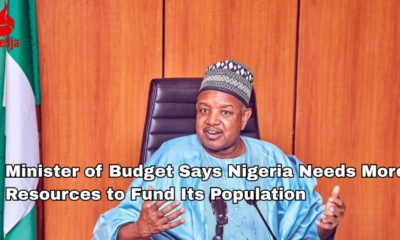











The Chairman of Gboko Local Government Area of Benue State, Torseer Yina, has imposed a dusk-to-dawn curfew in the ancient town.
The curfew takes effect from Thursday, October 8, 2026, following unrest and violent protests in the area.
According to reports, the action was taken to contain the unrest and violent protests by members of BEMOA following the death of one of its members by unknown gunmen.
The protest, which was reportedly hijacked by hoodlums, turned violent after an angry mob burnt two vehicles belonging to the Benue State Civil Protection Guards.
The Gboko council chairman said the curfew takes effect immediately and warned that anyone caught flouting the order or breaching public peace would be decisively dealt with.

Nine people have died in a fatal road crash along the Ijebu-Ode-Benin Expressway in Ogun State.
The crash occurred on Monday at about 4:55pm around the Bethel area along the Ijebu-Ode/Ore axis of the expressway. It involved a white Toyota Hiace commercial bus belonging to Delta Line and a white Sino truck operated by Bill Gas Solution Ltd.
According to the Federal Road Safety Corps (FRSC), all nine people involved in the crash, comprising three males and six females, died in the incident.
The FRSC said the crash occurred while it was raining and the road was wet, with preliminary investigations identifying speed violation as the probable cause.
The FRSC rescue team arrived at the scene shortly after receiving the report, while the bodies of the victims were taken to the General Hospital Morgue in Ijebu-Ode.
The Ogun State Sector Commander, Oludare Ogunjobi, urged motorists, especially commercial drivers, to obey speed limits and exercise extra caution when driving in the rain.
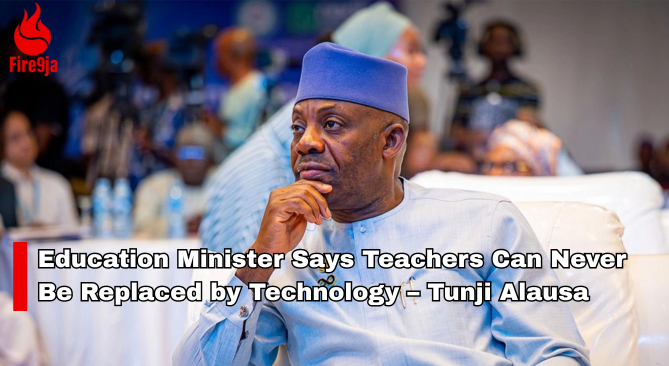
Minister of Education, Dr Tunji Alausa, speaks on the role and importance of teachers in the world to celebrate Teachers’ Day today.
He spoke on technology and its advancement and shared that while it is going well, teachers can never be replaced.
“These tools can help teachers reach learners and tailor instruction, but the judgement, encouragement and human connection of a skilled teacher remain indispensable,” he said.
“Every doctor, engineer, scientist, entrepreneur and public servant has benefited from a teacher and could not have become what they are today without teachers,” the minister said.
“When we honour teachers, we honour the people who make every other profession possible.”

Walid Acherchour Backs Lamine Yamal to Win 2026 Ballon d’Or

Zlatan Announces Wedding Date With Longtime Partner Davita

11 New K-Dramas To Add To Your Watch-list This October 2026


-

 Entertainment7 hours ago
Bridgerton Announces Violet and Edmund Love Story Spin-Off
-

 Entertainment7 hours ago
Mr Eazi Sparks Reactions With Comment About Expecting Twins
-

 Entertainment7 hours ago
From Men in Black to Aladdin: 10 Will Smith Movies
-
 Entertainment7 hours ago
11 New K-Dramas To Add To Your Watch-list This October 2026
-

 Entertainment7 hours ago
10 Global Music Stars Who Became Famous At A Young Age
-
 Sport7 hours ago
Walid Acherchour Backs Lamine Yamal to Win 2026 Ballon d’Or
-
 Entertainment7 hours ago
Zlatan Announces Wedding Date With Longtime Partner Davita