
News
Rising Fuel Prices Put Nigerians in Hardship

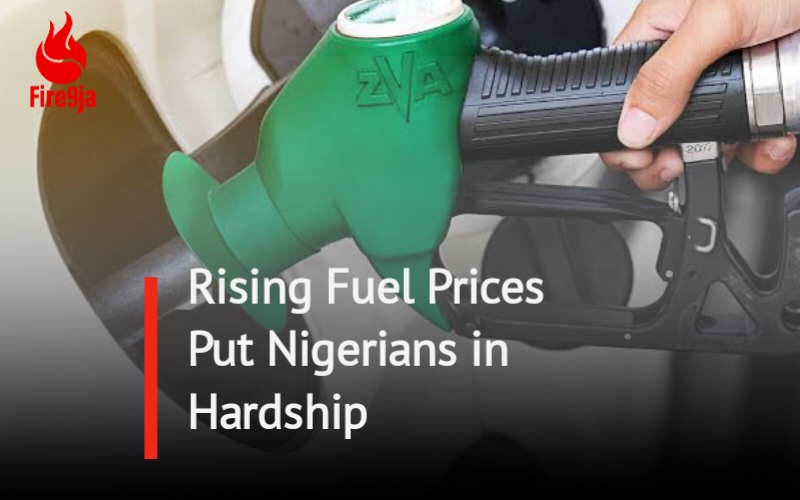
The continuous rise in petrol prices in Nigeria has created significant challenges for many, particularly low-income earners, who are finding it increasingly difficult to manage daily expenses.
The escalating cost of transportation, driven by the fuel price hike, has become a major burden for workers, students, and traders alike, making the commute to work or the market a costly endeavor.
The financial pressure is mounting, especially for households already struggling to make ends meet, adding to their overall anxiety about survival.
The recent price hike, which took effect last week, has seen petrol prices soar to unprecedented levels, ranging between N850 and N1,400 per liter depending on the location.
This has resulted in a ripple effect, causing the prices of essential goods and services to rise as well.
Across Nigeria, protests have erupted in response to the dire situation, with citizens demanding immediate action from the government to reduce the cost of living and ease the burden on the population.
A popular slogan, #EndBadGovernance, has emerged from these protests, reflecting the public’s frustration.
Religious and civic leaders have also expressed their concerns. Archbishop Matthew Kukah, the Catholic Bishop of Sokoto Diocese, called on President Bola Tinubu and his administration to take urgent measures to alleviate the suffering of Nigerians.
He emphasized that the government must address the skyrocketing fuel prices and the insecurity plaguing the country.
Similarly, the Arewa Youth Consultative Forum (AYCF) has voiced strong opposition to the fuel price increase, warning the government against ignoring the struggles of ordinary Nigerians.
The forum’s President-General, Yerima Shettima, criticized the government’s handling of the situation, stating that the rising costs have left many Nigerians on the edge.
Several Nigerians shared their stories, highlighting the hardship caused by the fuel price hike.
Amina Abubakar, a sales representative, expressed her difficulty in managing her budget as her transportation costs have significantly increased, leaving little room for basic necessities like food and rent.
Eche John, an Abuja resident, lamented that his daily commute has doubled in cost, with no corresponding increase in salary, leading to a strain on his finances.
The increase in transportation expenses has also driven up the price of everyday goods, such as a sachet of milk, which now costs N300 instead of N200.
The worsening situation is pushing many Nigerians to consider drastic measures. Johnson Okpe, a Point of Sale (POS) operator, revealed that he might have to quit his job because his salary can no longer cover his transportation costs.
Similarly, Chioma Eze, a salesgirl commuting from Mararaba to Wuse market in Abuja, expressed frustration that her daily transport expenses have more than doubled, forcing her to consider leaving her job.
Secondary school teacher Auwal Ibrahim shared a similar story, noting that more than half of his salary now goes towards transportation, leaving him with little to cover other expenses.
The challenges have also forced some workers to resign from their jobs. Private security personnel Hassan Abdul and housekeeper Ekaete Frederick both left their positions due to the unsustainable transportation costs.
Both expressed concerns about finding alternative employment or ways to make ends meet, with Ekaete contemplating hawking sachet water as a possible alternative.
Commercial motorcyclist Uche Emeka pointed out that the high cost of transportation has led many Nigerians to opt for walking instead of using motorcycles, significantly reducing his income.
The worsening economic situation has raised fears about an increase in crime, as many Nigerians, pushed to their limits, may resort to illegal activities out of desperation.
Paul Owoicho, a concerned citizen, warned that hunger and frustration could lead to a rise in criminal behavior if the government does not take swift action to address the crisis.
As the pressure on low-income earners continues to mount, Nigerians are calling for urgent intervention to address the high cost of fuel, food, and transportation.
Without immediate action, the financial strain could push many more people into poverty, exacerbating the already difficult living conditions across the country.


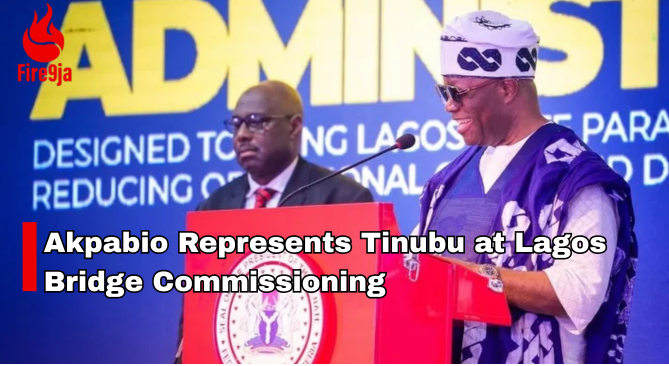
It has been reported that Bola Ahmed Tinubu was absent at the commissioning of the Opebi-Mende Link Bridge, which took place on April 8, 2026.
However, Senate President Godswill Akpabio represented the President and carried out the ceremony.
As he commissioned the project, he stated “On behalf of President Bola Ahmed Tinubu, I commission these projects.”
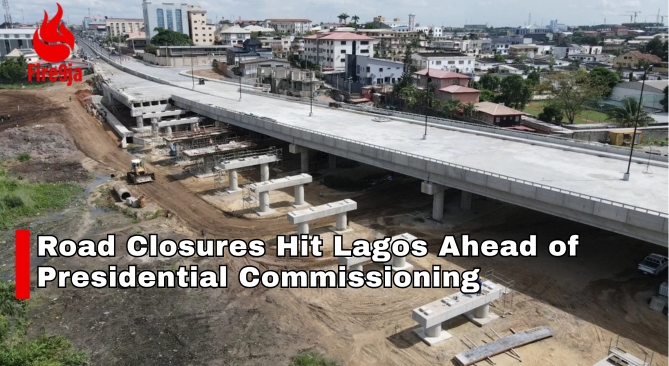
Residents of Lagos should prepare for traffic disruptions as several roads will be closed due to the visit of Bola Ahmed Tinubu, who is set to commission infrastructural projects.
The commissioning will take place on April 8 and 9, 2026.
Affected areas on Wednesday (April 8):
Opebi, Allen Avenue, Ikeja, Ojota, and Victoria Island.
Affected areas on Thursday (April 9):
Lekki-Epe Expressway, Ikoyi, Victoria Island, and Ajegunle.
Motorists are advised to plan alternative routes and expect heavy traffic during these periods.
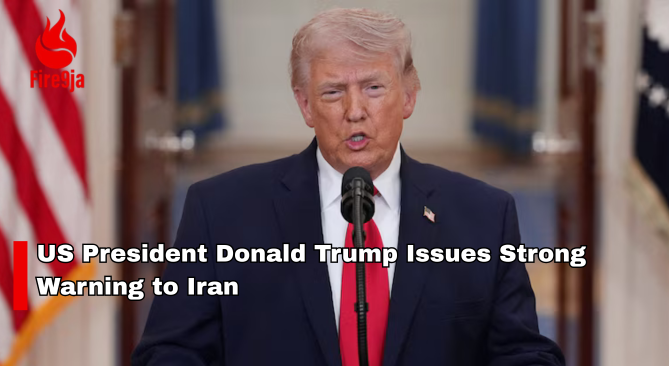
President Donald Trump makes headline as he threatens Iran on social media.
The president shared “Open the F***ing Strait, you crazy bastards, or you’ll be living in Hell — JUST WATCH!”
It can be noted that he even did a countdown on Saturday “48 hours before all Hell will rain down on them,” he warned Saturday. “Time is running out.”

Sam Spedy Weds Partner Simi in Beautiful Ceremony

Tobi Makinde Clears Air on Funke Akindele Rumours

“My Relationship with God Is Personal” — Ayra Starr Speaks On Faith


-

 Entertainment16 hours ago
“You’re Going to Jail” — Cardi B Warns Thieves That Stole Her Card
-
 Weddings15 hours ago
Sam Spedy Weds Partner Simi in Beautiful Ceremony
-
 Entertainment15 hours ago
Tobi Makinde Clears Air on Funke Akindele Rumours
-
 Sport17 hours ago
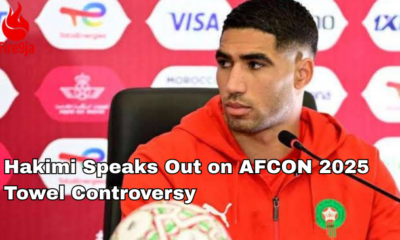
Hakimi Speaks Out on AFCON 2025 Towel Controversy
-
 Entertainment16 hours ago
“My Relationship with God Is Personal” — Ayra Starr Speaks On Faith