
Politics
Atiku Abubakar Offers Insight on How He Would Lead Nigeria Differently

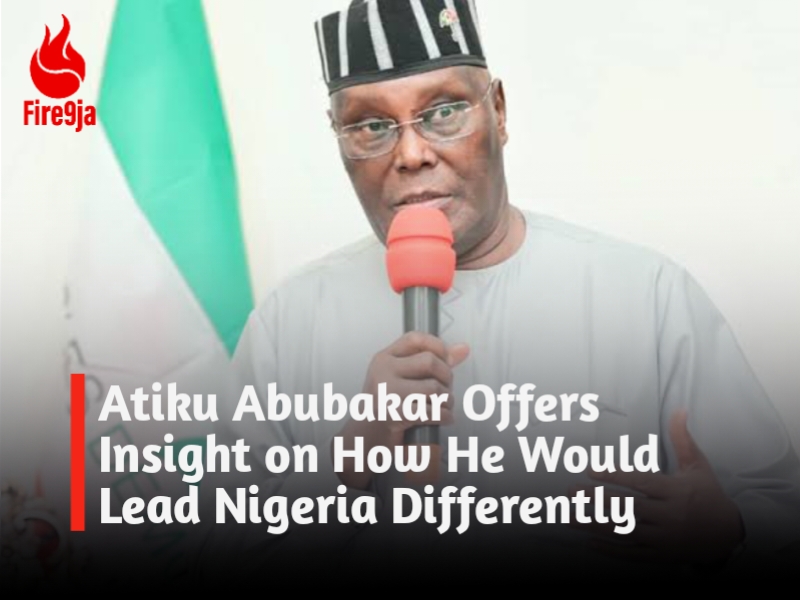
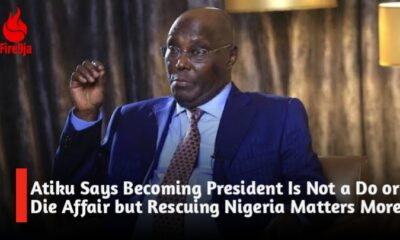
Former Vice President Atiku Abubakar has recently addressed a wave of inquiries regarding what he would have done differently if he were leading Nigeria.
Taking to his X handle, he emphasized that the focus should remain on the current president, Bola Tinubu, and the pressing issues facing the nation, rather than on hypothetical alternatives.
Atiku highlighted the economic challenges Nigerians are grappling with, attributing them to what he called Tinubu’s “trial-and-error economic policies.”
Atiku expressed understanding for citizens seeking effective solutions to their problems, hoping that President Tinubu and his administration would consider some of his suggestions in the interest of the Nigerian people.
He articulated a vision for reform that he believed could have transformed the country, focusing on several key areas.
In a general overview of his approach, Atiku emphasized the importance of thorough planning and preparation.
He suggested that his journey of reform would have benefitted from comprehensive diagnostic assessments of the country’s condition, extensive consultations with key stakeholders, and clearer final goals.
He referenced his policy document, “My Covenant With Nigerians,” which aimed to shield the fragile economy from deeper crises and prevent business collapses through consistent and coherent policies.
One of the critical points he raised was the need for a sequenced approach to reforms.
He argued that simultaneously addressing multiple economic issues—such as exchange rates, electricity tariffs, and PMS prices—without stable conditions would be counterproductive.
He criticized the Central Bank of Nigeria’s stringent monetary policies and advocated for a more cohesive strategy that considers the implications of removing subsidies on petroleum products.
Atiku stressed the importance of humility and adaptability in leadership, suggesting that leaders must recognize potential failures in their reform measures and be prepared to adjust their strategies based on feedback and challenges.
He insisted on leading by example, stating that any fiscal reforms aimed at improving liquidity and managing resources must first address revenue leakages and eliminate excesses in governance.
Effective communication was another pillar of his proposed reform strategy.
He highlighted the necessity of transparent and respectful dialogue with the public to build trust and ensure that citizens understand the government’s actions and intentions.
This transparency, he argued, would foster greater public cooperation and support.
Demonstrating empathy was a key theme in Atiku’s address.
He advocated for a human-centred approach to reforms, emphasizing the need for a robust social protection program to support the poor and vulnerable populations.
Rather than running a “palliative economy,” he believes that genuine support systems are crucial for helping citizens navigate challenging economic times.









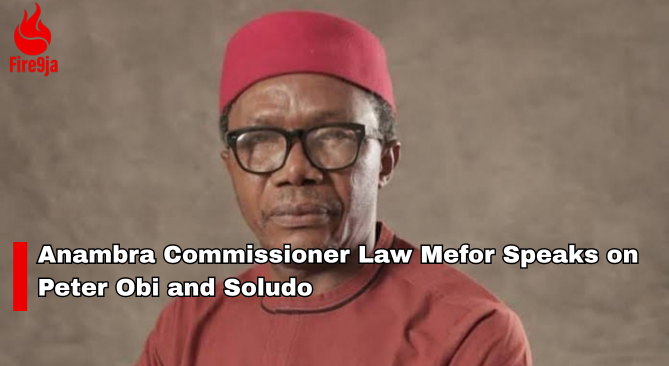
Anambra State Commissioner for Information and Value Reorientation, Law Mefor, speaks on Peter Obi and shares that he made wonderful achievements as a governor and roots for him for the presidency.
“The intention of the Anambra State government is not to indict Peter Obi. Peter Obi did well as governor.
“There is no rift between Governor Soludo and Peter Obi. They are both in politics, and they have their interests to defend.”
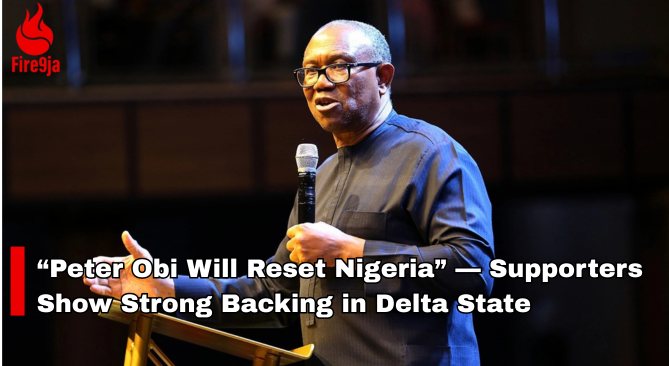
Peter Obi makes headlines as he received huge recognition and a welcome in Delta State.
A crowd came out to support the politician and show their support for him ahead of the election next year.
They moved with the message, “Peter Obi will reset Nigeria, Peter Obi for president.” Many shared their beliefs that Peter Obi can truly help Nigeria. This has gained some attention, and people shared their thoughts.
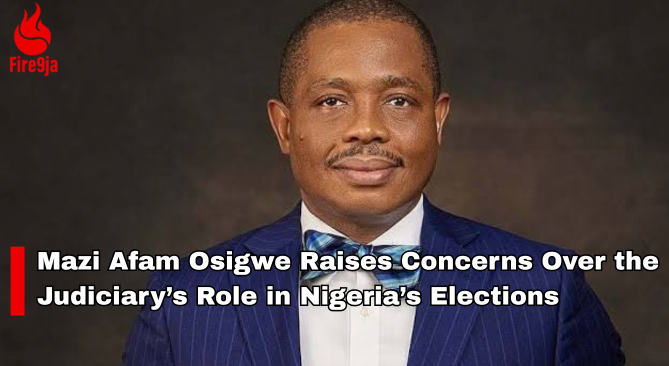
Former President of the Nigerian Bar Association, Mazi Afam Osigwe, speaks on the election and a popular notion that is happening. He shared how some politicians depend on the courts to win their elections instead of the voters (the people).
“A judge once presented a paper called ‘The Judicialisation of the Electoral Process.’ He argued that because of the difficulty of proving non-compliance with the Electoral Act, the courts have gradually and increasingly usurped the role of the voters. I couldn’t agree more.”
“They believe that between polling units and collation centres—especially at night—miracles happen before daybreak. So why vote?” he asked.

From Lee Min Ho to Go Youn Jung: 10 Korean Stars Trending in 2026

Remember These? 10 Mr Eazi Songs We Grew Up Listening To


