
Business
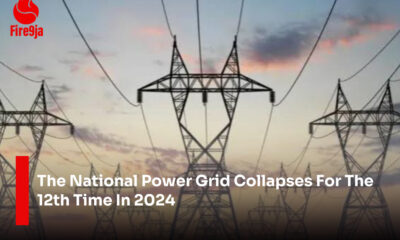
Kunle Olubiyo Blames TCN for Frequent National Grid Collapses

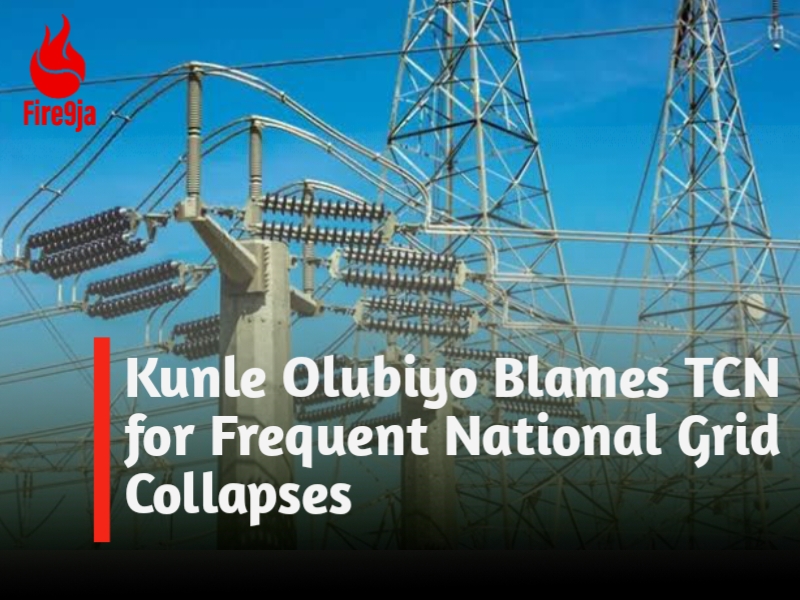
Kunle Olubiyo, the President of the Nigeria Consumer Protection Network, has expressed serious concerns regarding the frequent collapses of the national power grid, emphasizing that these incidents highlight the deficiencies within the Transmission Company of Nigeria (TCN).
His comments come in response to the sixth grid failure of 2024, which occurred on Monday at approximately 6:48 PM, leaving many parts of the country plunged into darkness once again.
While the TCN characterized this collapse as partial and assured that restoration efforts were underway, many Nigerians remained without power hours later.
Olubiyo criticized TCN for its history of responding to such crises with mere platitudes rather than effective solutions.
He stated that the repeated failures of the national grid, along with ongoing challenges related to its stability and reliability, stem from a lack of genuine commitment to addressing these issues.
He remarked, “The repeated occurrences of system collapses and challenges to the National Grid’s stability are largely due to the management’s insincerity and their tendency to pay lip service to a broad range of problems while misplacing priorities over the years.”
Olubiyo pointed out that inadequate investment in necessary network improvements, insufficient protective systems, and a near-total lack of vegetation control have all contributed to the ongoing crises.
He emphasized that these issues have been recognized for some time but have received little attention from TCN’s leadership.
The pattern of grid collapses is alarming, with previous failures recorded on February 4, July 6, August, and September 19 of this year alone.
According to TCN data, the national grid has suffered over 227 collapses in the last 14 years, underscoring a chronic problem in the country’s electricity supply system.
This situation is particularly troubling given that electricity tariffs were increased by 240 percent in April, further straining the financial burdens on Nigerian households and businesses.
As power outages continue to affect daily life, the call for accountability and effective management within TCN becomes increasingly urgent.
Olubiyo’s insights reflect the frustrations of many Nigerians who are tired of empty promises and inadequate responses to a crisis that has persisted for far too long.
The need for immediate, substantial reforms in the management of Nigeria’s electricity supply is clearer than ever, as citizens hope for a stable and reliable power system that meets their needs.










Bitcoin has fallen below $63,000, reaching its lowest level since October 2024 amid weakening investor confidence and increased volatility in the cryptocurrency market.
According to CoinMarketCap data, Bitcoin dropped 13.9 per cent to $62,965 as of 10:20 p.m. on Thursday. The decline comes after months of downward movement, with the cryptocurrency now more than 45 per cent below its October peak.
Ethereum also recorded a sharp decline, falling 13 per cent to $1,863, while the global cryptocurrency market capitalisation dropped to $2.19 trillion.
Analysts reportedly linked the latest decline to a broader sell-off in US technology stocks, which has also affected other risk assets. Bitcoin had reached an all-time high of more than $125,000 on October 5 before falling sharply in the days that followed, highlighting the continued volatility in the crypto market.
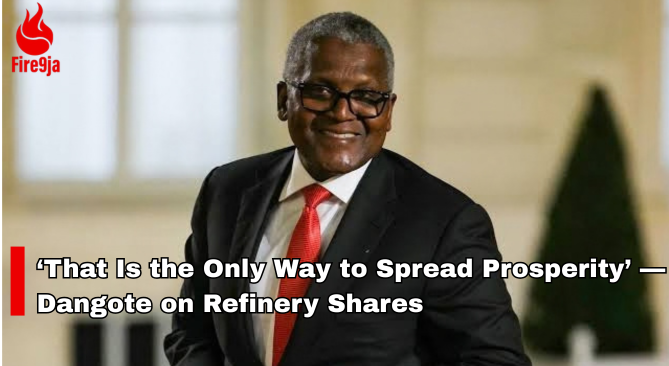
Businessman Aliko Dangote has explained why he believes Nigerians should participate in the ownership of his refinery by purchasing shares.
He was asked by singer Davido why Nigerians should participate, and Dangote explained that the initiative would help spread wealth and prosperity across Africa.
“Well, it’s very important because that is the only way to spread prosperity and wealth throughout Africa. And like I said, this is not going to be the first and the last. We will continue with even our fertilizer. By the time we finish listing, every single one will own part of our businesses and we will create a pool of cash…”
He explained that the goal is to create opportunities for more Nigerians to own a stake in the businesses and help spread wealth across the country.
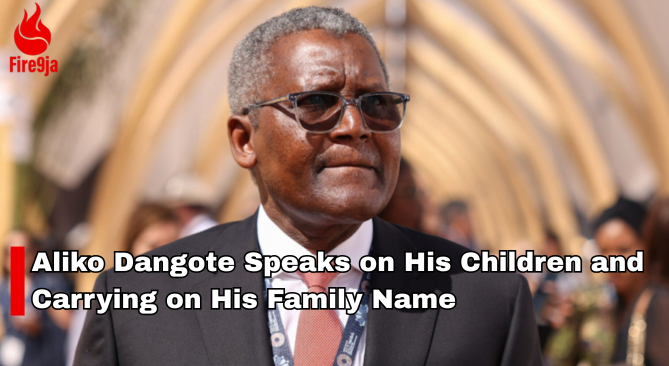
Aliko Dangote speaks on his lineage and addresses not having a son as he was asked about not having a son to carry his name and achievements.
“That is not my priority because God controls everything. You can pray for God to give you a son, but he might be the one to take down the name of the family.”
Instead, he shared that he does not mind not having a son. “I don’t think a son would have done better than the three daughters I have.”
Aside from that, he was also asked about giving advice to young Nigerians. “Work hard, be consistent, focused and know what you want to do.”

Judge Tells Duane Davis He Must Face Justice for Tupac’s Murder

Timini Egbuson Reflects on Embracing YouTube Movies in Nollywood


