
Entertainment
Oxlade Reveals Racial Abuse in France and Inspiration Behind Debut Album


Nigerian singer Ikuforiji Olaitan, widely known as Oxlade, recently opened up about a painful incident of racial abuse he experienced in France, which deeply influenced his artistic journey.
In a revealing conversation on The Datebizz podcast, Oxlade shared how the disturbing encounter in Monaco shaped the title of his debut album, Oxlade From Africa.
According to the singer, the event was a significant turning point in his life and career, awakening him to the harsh realities of racial discrimination.
Recalling the incident, he said, “I decided to name my album ‘Oxlade From Africa’ because I was racially abused in France, precisely Monaco.
That was what woke me up to be an African. It also made me realise that African stigma exists.”
He explained that while Africans view themselves as regular human beings, the perception abroad can often be dehumanizing.
“In Africa, we see ourselves as normal human beings but outside Africa, they [foreigners] see us as monkeys, strange beings,” Oxlade lamented, highlighting the racial prejudice that many Africans face when traveling or living abroad.
A graduate of History and International Relations, Oxlade also offered a critical reflection on the names “Africa” and “Nigeria,” stating that both terms carry derogatory connotations.
He believes that these names, imposed during colonial times, continue to influence how the rest of the world perceives Africans, perpetuating stereotypes and stigma.
This perspective adds a deeper layer to his music, where themes of identity and African pride play a significant role.
Oxlade’s experience underscores a broader conversation about the global African identity and the challenges of confronting racism in international spaces.
His album Oxlade From Africa serves not only as a personal statement but also as a cultural expression of pride in his heritage, born from adversity and resilience.
Through his music, Oxlade seeks to address these issues, creating a platform where African voices can rise above prejudice and reclaim their narrative.


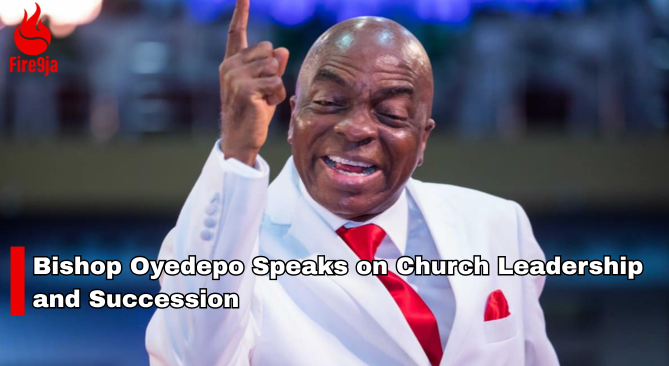
Bishop David Oyedepo has shared his thoughts on church leadership and succession amid discussions surrounding the ongoing convention at Fountain of Life Church.
Speaking on the subject, the cleric stressed that ministry is not genetic and should not automatically be passed down to family members.
“This thing is not genetic. Don’t get an eighty-year-old person to come and drive a trailer. No, no. You will sleep on it.
“All this hand over to your son, hand over to your daughter, it’s no ministry,” he said.
He further explained that anyone taking over a ministry must still be assessed and approved by the appropriate church authority.
“If the man gets it, it will still be subject to vet him of the body responsible,” Oyedepo added.

Nigerian singer Davido has announced plans to support aspiring entrepreneurs and business owners through his foundation’s upcoming birthday giveaway.
The singer revealed that, beyond the usual donations to motherless babies’ homes, his foundation would also provide startup funds to Nigerians looking to bring their business ideas to life.
Sharing the announcement online, he wrote:
“This year for my birthday my foundation will not only be sending money to the motherless babies homes as usual .. we also want to help Nigerians with start up funds for their business ideas as we know how difficult the situation in the country has been. We start Monday.”
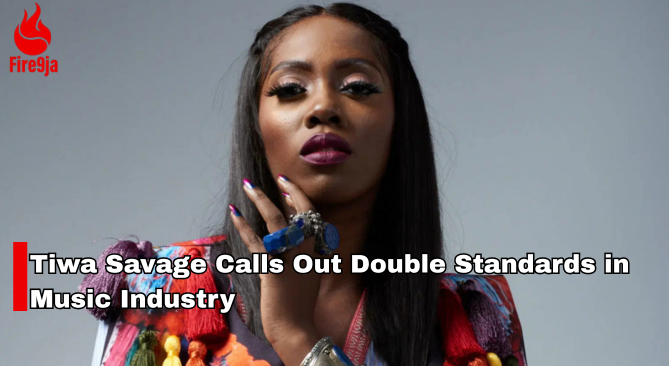
Nigerian singer Tiwa Savage has recalled how she was once banned from performing at shows and had her music videos removed from Nigerian television because of her dressing.
The singer explained that after returning from Los Angeles to pursue her music career in Nigeria, her fashion choices, including hot pants, tank tops and tattoos, attracted criticism and led to restrictions on her music and performances.
Speaking about the experience, she said:
“I was banned from shows, radio and my music videos were banned on Nigerian TV for wearing hot pants, tank tops and having tattoos after returning from LA to make music. I was used as a scapegoat. Now, when new female artistes do it, it’s considered normal.”
She further expressed her frustration with what she considers a double standard in the entertainment industry, noting that female artistes can now adopt similar styles without facing the same level of criticism.

Bishop Oyedepo Speaks on Church Leadership and Succession

Adeleke Ademola Assures Osun Residents of Improved Governance

Chris Sutton Predicts This Weekend’s Premier League Results


-

 Entertainment2 hours ago
Davido Announces Startup Funds for Nigerians Through Birthday Giveaway
-
 Sport2 hours ago
Chris Sutton Predicts This Weekend’s Premier League Results
-
 Entertainment2 hours ago
Bishop Oyedepo Speaks on Church Leadership and Succession
-
 News2 hours ago
Adeleke Ademola Assures Osun Residents of Improved Governance