
Fashion
Tariffs Make Fast Fashion More Expensive and Push Shoppers To Secondhand

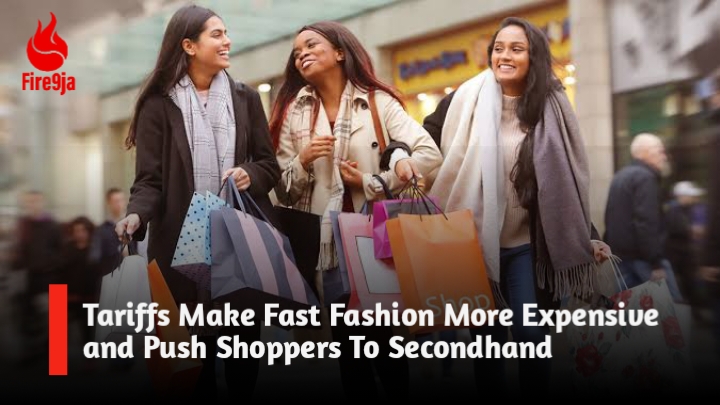
The fast fashion world is going through serious changes right now, and it all boils down to one thing: tariffs. As of early 2025, the U.S. government has slapped a 10% import duty on goods from China, and fashion retailers are feeling the heat. These new rules also ended the duty-free benefit for items under $800, a loophole that companies like Shein and Temu had relied on for years to keep prices low and deliveries fast.
Now that’s changing. Clothes coming in from China must go through full customs checks and extra costs, which are already starting to impact how much you’ll pay at checkout.
To survive this shift, fashion companies are tweaking their operations fast.
Take ASOS for example. The British online fashion store closed its U.S. warehouse and now ships orders from the UK. It also reduced its dependence on China—only 5% of what it sells to U.S. customers is made there now.
Steve Madden, known for its shoes, is cutting back on Chinese manufacturing too—by nearly half. The brand is looking into alternative locations that won’t attract those tariffs, possibly shifting production to places like India or Vietnam.
Smaller labels and indie brands are also affected. Many are thinking about bringing production closer to home or moving it to nearby countries. But switching factories is expensive and not easy, especially for businesses that are already running on thin margins.
What About Us—the Shoppers?
All this behind-the-scenes movement eventually hits us, the buyers. And the effects are already being felt.
Prices are expected to go up for many fast fashion items. Because of that, more shoppers—especially young ones—are turning to secondhand and thrift options. According to recent surveys, almost 60% of people say they’ll shop more secondhand this year if new clothes become pricier. Among Millennials, that number jumps to nearly 70%.
And it’s not just about saving money. Many Gen Z and Millennial consumers are already drawn to secondhand fashion for environmental reasons, and now rising prices are just pushing them further in that direction.
Some experts hoped that slowing fast fashion might be a win for the planet. But it’s not that simple.
Switching production from China to other countries might lower the impact of tariffs, but it doesn’t always help the climate. In fact, longer shipping routes and less efficient factories in new locations might even make things worse. Plus, fast fashion as a whole still relies on constant consumption—and that’s the real issue.
What’s Next?
Fashion brands are in a tight spot. They want to keep prices competitive, stay trendy, and not lose loyal customers. But with tariffs now in play, many are being forced to rethink their supply chains, pricing strategies, and even their brand identity.
As this unfolds, shoppers can expect a few key shifts—higher prices for new clothes, longer delivery times, and more attention on secondhand and resale platforms. This moment could reshape how we all shop, how brands operate, and how fashion works on a global scale.














Our Sabi Girl, Ayra Starr, has served some stunning looks, but can you guess her favourite colour based on her fashion choices? Take a look through the gallery and test your fashion instincts.
Mode: Difficult. 👀









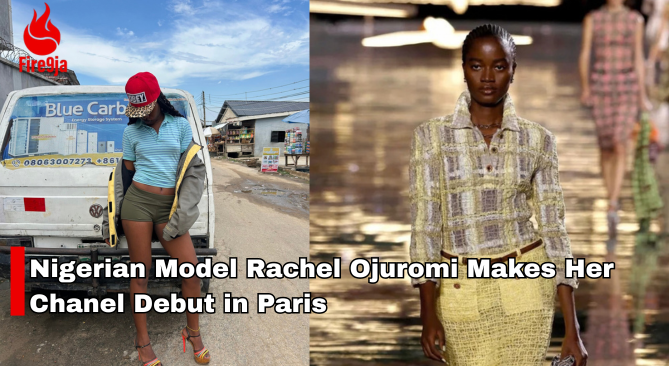
You might have noticed some noise around the fashion scene and wondered what was going on. Well, it all started with TikTok. This young lady, Rachel, makes videos showing off her fits and walking in the backgrounds of Nigeria. She quickly gained fans and followers for her confidence and consistency.
Many also tagged modelling agencies, asking them to notice and sign her up, and she has been doing this for quite a while.
Luckily, Rachel was signed and is now on her way to walking for famous brands, including Chanel. The model was interviewed and shared her excitement at how unbelievable the experience is.
“I’ve always wanted to come to Paris, And now, I’m like, ‘Hello? I’m actually in Paris?!’”
She then spoke about her first walk with Chanel. When she saw her look, she said, “It’s a sign. This is a sign.” The textured tweed felt instinctively right to Ojuromi, who saw her look as a youthful interpretation of one of the house’s most recognizable codes.
Her beauty look, with glowing skin and braids pulled back neatly, was similarly simple. “They wanted me to look exactly like me and I really appreciate that,” she said. “I look so pretty. I feel really pretty.”


Judge Tells Duane Davis He Must Face Justice for Tupac’s Murder

Timini Egbuson Reflects on Embracing YouTube Movies in Nollywood


