
Politics
World Leaders Face Pressure to Reform Global Institutions at U.N. Assembly

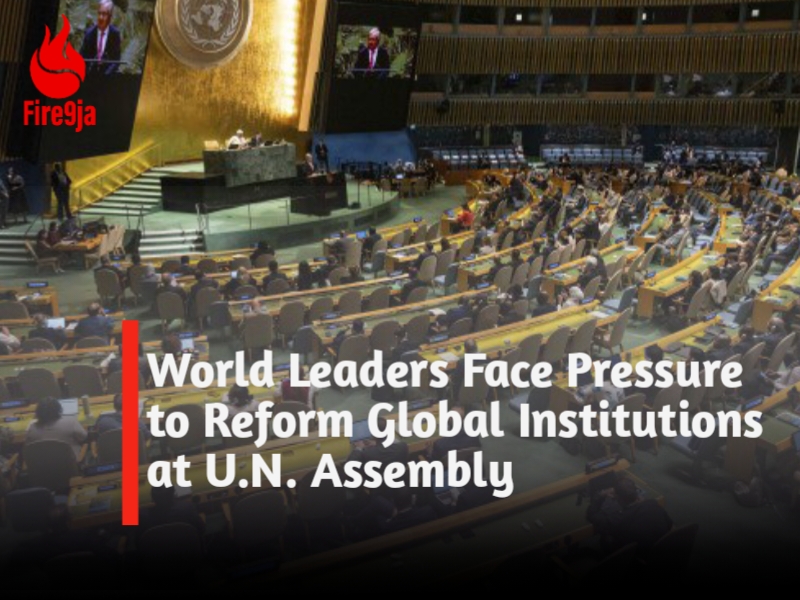
World leaders are gathering in New York this week for the United Nations General Assembly, facing a deeply fragmented world marked by mounting conflicts and crises.
The atmosphere is far from optimistic, as these global leaders are confronted with the urgent need to work together, not just on immediate concerns but also on reshaping the international institutions that were established in the aftermath of World War II.
These institutions, including the United Nations itself, were designed to tackle the issues of their time, but they now face growing challenges in keeping up with modern threats and global dynamics.
In a call to action, U.N. Secretary-General Antonio Guterres issued a stark reminder a year ago about the gravity of the situation facing humanity and the planet.
He urged world leaders to commit to attending a “Summit of the Future” to reexamine the role of multilateralism, which has long been the bedrock of the United Nations and numerous other global institutions.
This challenge emphasized the need for collective efforts to reform and modernize the international frameworks that govern global cooperation and problem-solving.
The goal of the gathering is not only to address immediate crises but to begin the hard work of overhauling an ageing global architecture that no longer fully meets the needs of a rapidly changing and increasingly interconnected world.
The focus is on ensuring that the structures in place are equipped to deal with the complex issues of the future—ranging from climate change and rising geopolitical tensions to technological advancements and socioeconomic inequalities.
As the world grapples with a growing sense of division and uncertainty, the leaders at the U.N. General Assembly are under intense pressure to rise above national interests and ideological differences.
The global community expects them to develop solutions that are both practical and forward-looking, ensuring that international cooperation remains strong in the face of emerging challenges.
The stakes are high, and this year’s discussions could shape the future of multilateralism and the ability of global institutions to remain effective in a rapidly evolving world.






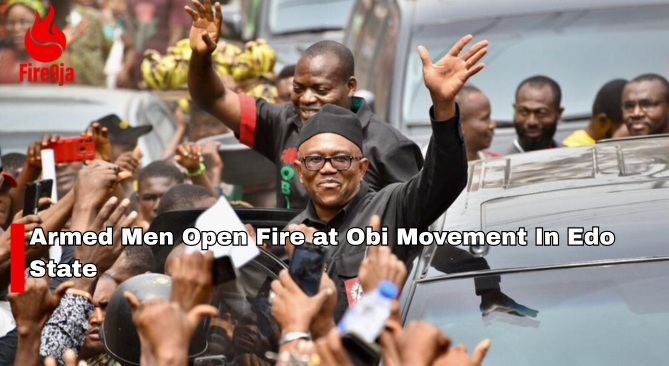
It was reported and revealed by the National Coordinator of the Obi Movement that an attack occurred at the movement against Peter Obi in Edo State.
He stated that the armed people had guns and shot at Peter Obi and his members of the movement.
“At the formal declaration of Olumide Akpata into the African Democratic Congress, armed individuals followed us from the ADC Secretariat to the residence of Chief John Odigie-Oyegun.
They shot at the gate and destroyed several vehicles in what appears to be a survived assassination attempt on our lives. Democracy is in danger.”
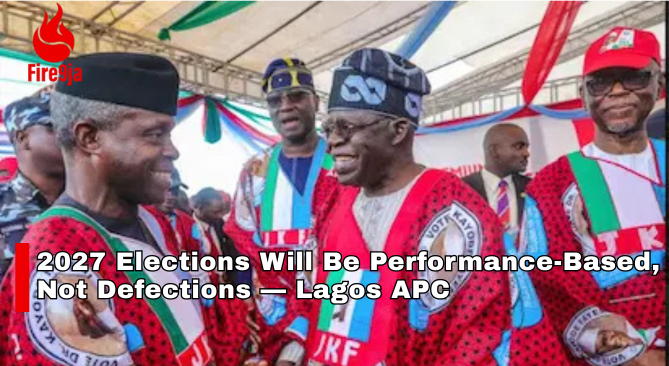
The Lagos State chapter of the All Progressives Congress (APC) has stated that the outcome of the 2027 general elections will be based on the performance of candidates, not defections.
The party stressed that defections alone do not win elections, noting that credibility, leadership, and results matter more. This was said in response to comments credited to former governor Rauf Aregbesola.
The APC also dismissed claims that the opposition’s performance in Lagos weakened the party, pointing out that voters later reaffirmed their support by re-electing the APC in the governorship election and subsequent polls.

Governor of Bauchi State, Bala Mohammed, has spoken on the allegation that terrorism and the increase in insecurity are linked to his administration in the state.
The governor then said “This is a country where when you work, you become a villain. I have kept quiet for too long for peace and security. But I am not a coward. I will not join them. I refuse to join their party,” he stated.
“We have built our health system, primary education, and reduced out-of-school children. We have been awarded three times by the federal government for development and good governance. And they are accusing us? What kind of paradox is this?”

Fans React as Wizkid Joins Burna Boy–DJ Tunez Drama

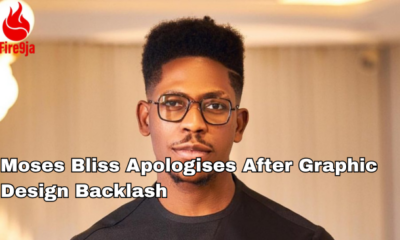
Moses Bliss Apologises After Graphic Design Backlash

Is AI Replacing Artists? DJ Neptune Shares Concerns


-
 News23 hours ago
Akpabio Represents Tinubu at Lagos Bridge Commissioning
-

 Sport22 hours ago
Lookman Applauds Atlético Madrid After 2–0 Win Over Barcelona
-
 Entertainment20 hours ago
Moses Bliss Apologises After Graphic Design Backlash
-
 Entertainment19 hours ago
Fans React as Wizkid Joins Burna Boy–DJ Tunez Drama
-
 Entertainment21 hours ago
Is AI Replacing Artists? DJ Neptune Shares Concerns